
Your local EPC assessor for Holderness and the East Riding coast
Efficient assessments of East Riding homes
I'm Sam, a local, Elmhurst-accredited energy assessor. I handle everything personally, from your first call to the visit and your certificate, with quick turnarounds and one fixed price.
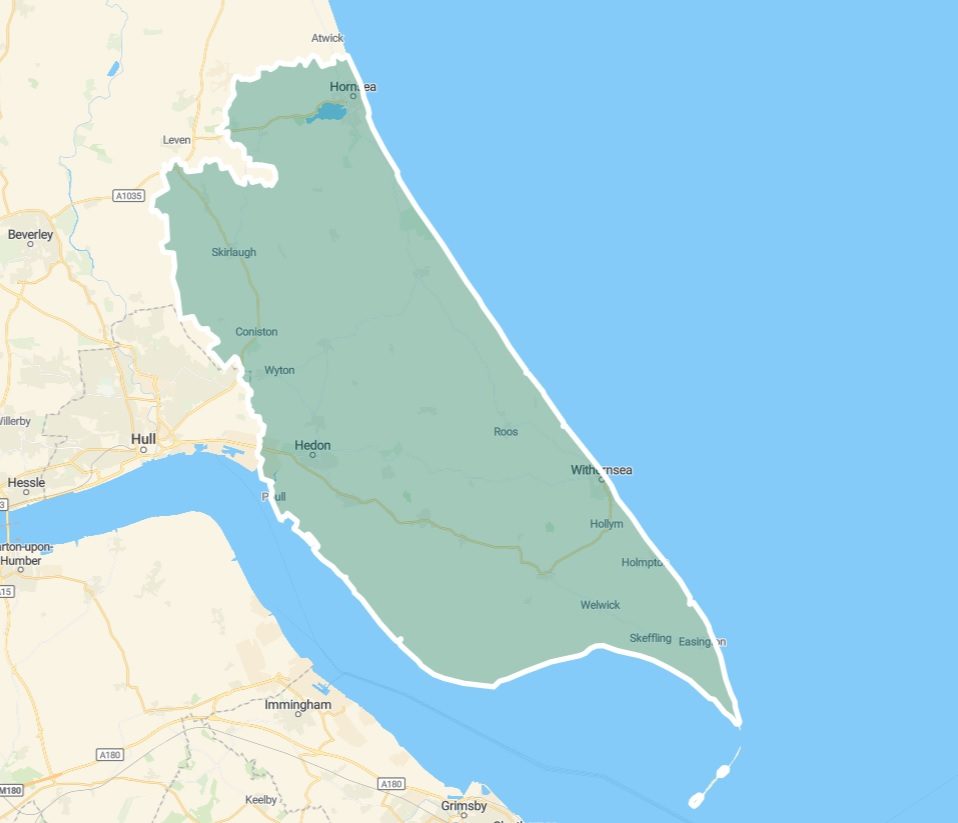
- Withernsea
- Hornsea
- Hedon
- Patrington
- Keyingham
- Aldbrough
- Bilton
- + villages in HU11, HU12, HU18, HU19


Hi, I'm Sam
I carry out every assessment myself, so you'll always know who's coming and who to ring afterwards.
Many national EPC companies pass bookings to a panel of local assessors and add their own fee on top. Book with me and you deal directly with the assessor, pay one fixed price, and get the same official certificate lodged on the government register.
I also hold a retrofit assessor qualification, which gives me a deeper understanding of how homes use energy and helps me explain your EPC and its recommendations clearly.
- AccreditationElmhurst Energy, EES/033884 (verify here)
- QualificationsDomestic Energy Assessor, Retrofit Assessor
- MethodRdSAP 10, the current government standard
- CoveringHolderness and the East Riding of Yorkshire
Areas I cover
One price everywhere in these four postcode areas.
- HU19Withernsea, Hollym and Holmpton
- HU18Hornsea and Mappleton
- HU12Hedon, Preston, Paull, Keyingham, Ottringham, Roos, Patrington, Welwick, Skeffling and Easington
- HU11Bilton, Wyton, Coniston, Sproatley, Skirlaugh, Long Riston and Aldbrough
Any size of home, no VAT, nothing added. Outside these areas? Send your postcode for a price before you book. The map at the top of the page shows the full coverage area.
Book however suits you
Call, message or fill in the form, and I'll usually get back to you the same day to arrange a time that suits you.
What is an EPC, and what happens on the day?
An Energy Performance Certificate rates a home's energy efficiency from A, the most efficient, to G, the least. It shows estimated running costs and recommended improvements, and you need one to sell or let a property.
What I'll look at
The visit usually takes 30 to 60 minutes, depending on the size of the home. I take photos as evidence, but nothing is drilled, lifted or moved.
- Loft and insulationInsulation type and depth, checked through the loft hatch.
- Walls, floors and every windowI measure the whole home, including each window, and record the wall construction.
- LightingEvery light fitting and bulb type is recorded.
- Heating and controlsThe boiler or main heating, plus thermostats, timers and radiator valves.
- Hot water cylinderIf you have one, its insulation and thermostat.
- Gas and electric metersTo confirm the fuel and meter type.
From real assessments
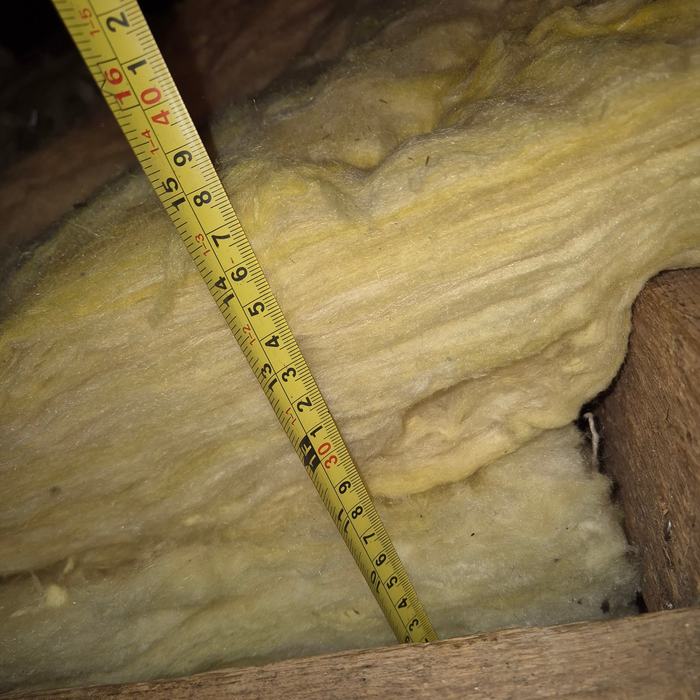
Measured loft insulation depth 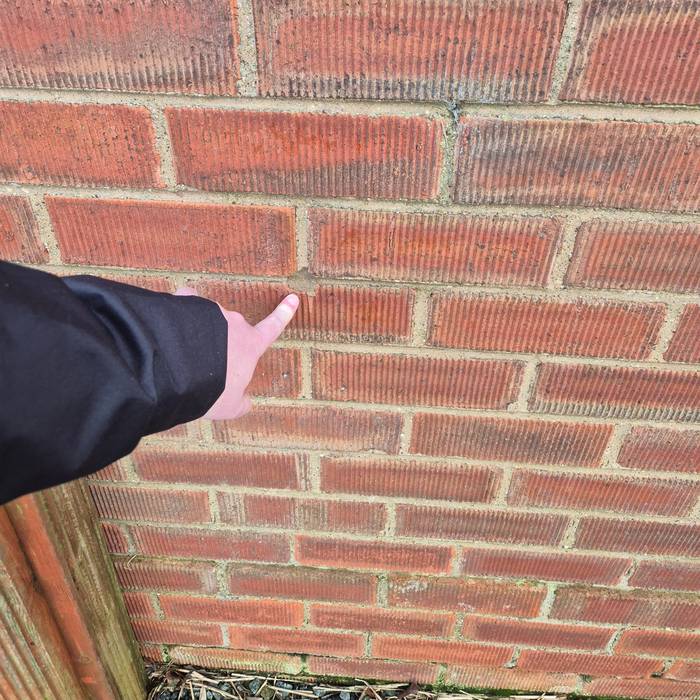
Drill hole from retro-injected cavity wall insulation 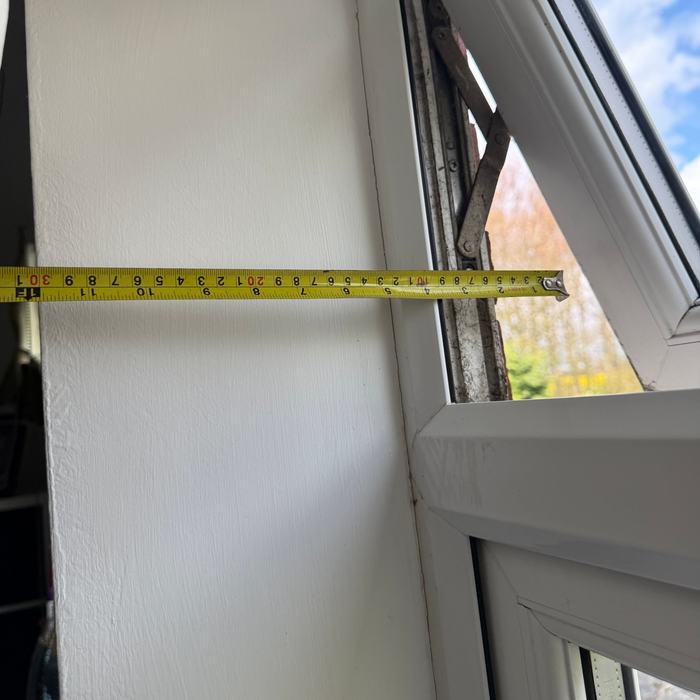
Measured wall thickness 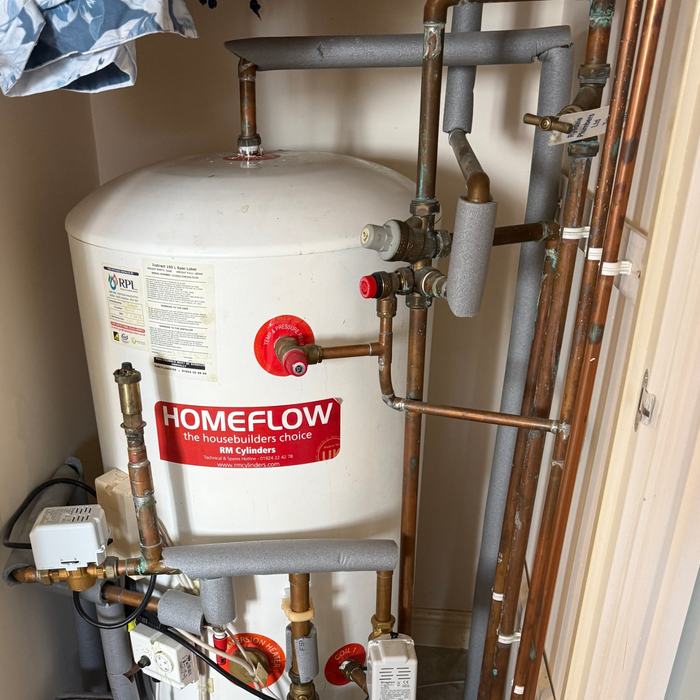
Modern unvented hot water cylinder 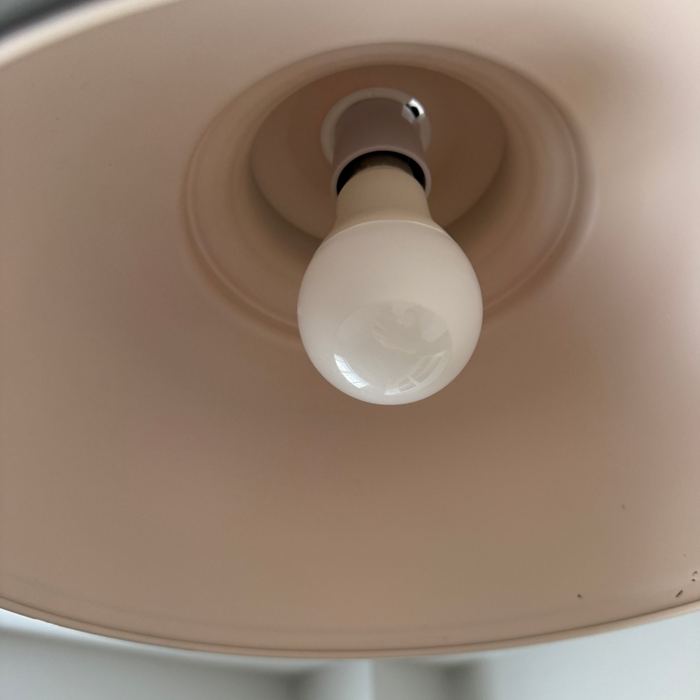
Low-energy LED bulb
How to prepare
- Clear space around the loft hatch so I can get a safe look inside.
- Make sure I can reach the boiler, the hot water cylinder if you have one, and the gas and electric meters.
- Have paperwork ready for any insulation, double glazing, boiler or heating upgrades. Hidden insulation can only be recorded with evidence.
- Allow access to every room so I can measure the full home and every window.
Afterwards, your certificate is usually lodged the same or next working day once paid. It's valid for 10 years, and I'll email you a copy.
Making changes to your home? Get a current baseline
If you're planning work such as insulation, windows or a new heating system, an up-to-date EPC records your home's rating under today's method first, and its recommendations show the measures the assessment suggests. Many grant schemes, such as the Warm Homes: Local Grant, also look at your EPC. Keep receipts and installer certificates for any work you have done, because RdSAP 10 can take that evidence into account.
Common things that can pull a rating down, and are often simpler to deal with than major works such as internal wall insulation:
- Gas or electric fires (secondary heating)
- Electric showers
- Open chimneys and fireplaces
- Incandescent or halogen bulbs
- Poorly insulated hot water cylinder
- Missing heating controls
- Thin loft insulation
Landlords: the rules now, and what's coming
Your EPC sits at the centre of the current rules, the new landlord register and the planned 2030 standard.
What you need today
- A valid EPC before you advertise, with the rating in the listing and a copy given to the tenant free of charge.
- A rating of E or above, required for new tenancies since April 2018 and all tenancies since April 2020.
- Homes rated F or G can't be let unless a valid exemption is registered, for example after spending £3,500 on improvements.
- Councils can fine up to £5,000 per property for breaches.
Band C from October 2030 (expected)
The government has announced that privately rented homes in England and Wales will need to reach band C from 1 October 2030. Under the current proposals, an EPC showing C that's lodged before 1 October 2029 would count as compliant until it expires.
New-style EPCs, expected from the second half of 2027, will add separate scores for fabric, heating system and smart readiness. Under the proposals, rentals would need C on fabric plus C on either heating or smart readiness, and homes heated by gas or oil boilers are proposed not to reach C on the heating score. That could make band C harder for many gas-heated homes, which is why it may be worth locking in a C under today's method. These are proposals and may change.
Lock in a band C under today's method
Under the current proposals, an EPC showing C that's lodged before 1 October 2029 would keep counting towards the 2030 standard until it expires, even after the new-style EPCs arrive. EPCs last 10 years, so a C lodged now could cover a rental well beyond 2030.
If your EPC was done before 15 June 2025, it used the older RdSAP 2012 method. RdSAP 10 is more detailed, and some homes now rate higher with nothing changed, especially flats, mid-terraces and homes with good heating evidence. A new £75 assessment shows where you stand before you spend money chasing C.
Based on current proposals, which may change. A newer EPC lodged later would replace the earlier one.
The new landlord register (coming soon)
Under the Renters' Rights Act, every private landlord in England must register themselves and each property on the Private Rented Sector Database. Based on guidance so far, this includes compliance details such as the EPC, where one is required for the tenancy, along with gas and electrical safety records.
- From 15 April 2027
- Registration currently scheduled to open for Yorkshire and the Humber, including East Riding
- By 14 July 2027
- Current deadline for East Riding rental properties
- £65 a year
- Per property, as announced. Up to £7,000 penalty for letting without registering.
Early registration is expected to open from 15 December 2026.
| Today | Expected from October 2030 | |
|---|---|---|
| Minimum EPC rating | E | C |
| Cost cap before an exemption | £3,500 | £10,000, or 10% of value if lower |
| Maximum fine per property | £5,000 | £30,000 |
Current rules are from the Energy Efficiency (Private Rented Property) Regulations. 2030 figures are from the government's January 2026 response on private rented sector energy standards, and register details from the published Renters' Rights Act rollout. Neither is final law yet, and details may change. Holiday lets aren't expected to be covered by the 2030 requirement. General information, not legal advice. Last reviewed October 2026.
Who needs an EPC?
Anyone selling or letting a home needs a valid EPC before it's marketed, and many grant schemes ask for one too. Whoever you are, booking direct means one fixed price with no mark-up.
Homeowners selling
You don't have to go through your estate agent. The EPC belongs to the property, so book it direct, avoid any agent mark-up, and pass them the certificate or reference number.
Solicitors and executors
For private sales and estates, an EPC is needed before the property goes on the market. Refer clients direct for a fixed price. I can collect keys and work with executors or family for access.
Landlords
Needed for every new tenancy and expected for the new landlord register. Check, and potentially lock in, a band C under today's method before the EPC changes. Direct pricing with no mark-up.
Grant applicants
Grant schemes often use your EPC to check eligibility, such as the Warm Homes: Local Grant. For Boiler Upgrade Scheme heat pump grants, a current EPC is the clearest evidence for your installer.
Estate and letting agents: a reliable assessor to partner with
- Fast turnaround, usually lodged the same or next working day
- One direct contact who answers the phone
- 2D floor plan included with agency EPCs
- Monthly invoicing on 30-day terms, with volume pricing
- Package price £125: professional property photography, floor plan and EPC in one visit with Standout Property Photography


Questions people ask
Can't see yours? Call or WhatsApp 07475 242898.
How much does an EPC cost?
£75 for any home in HU11, HU12, HU18 and HU19, whatever its size. I'm not VAT registered, so that's the full price. Outside those areas, send me the postcode for a price.
Can I book my own EPC if I'm selling through an estate agent?
Yes. The EPC belongs to the property, not the agent. Book it with me, then give your agent the certificate or its reference number.
Do I need an EPC for probate or a family transfer?
If the property is being sold or let, including a probate sale or a private sale with no agent, it needs a valid EPC. If it's simply passing to a family member with no sale or letting, an EPC usually isn't legally required. Your solicitor can confirm what applies.
My EPC was done before June 2025. Is it still accurate?
It's still valid until its expiry date, but it was produced with the older RdSAP 2012 method. Since 15 June 2025, EPCs use RdSAP 10, so your home could score differently today, sometimes higher, even if nothing has changed.
How long is an EPC valid for?
10 years from the date it's lodged. You can get a new one at any time, for example after improvement work.
What EPC rating do landlords need right now?
At least E. Since April 2020 every private tenancy in England and Wales has needed a valid EPC rated A to E. Homes rated F or G can't be let without a registered exemption. Band C is expected from October 2030, subject to final regulations.
Will the new EPCs make band C harder to reach?
Possibly, for gas-heated homes. New-style EPCs, expected from the second half of 2027, are proposed to score fabric, heating system and smart readiness separately. Under the proposals, gas and oil boilers wouldn't reach C on the heating score, so rentals would need C on fabric plus C on smart readiness instead. An EPC showing C under the current method, lodged before 1 October 2029, is expected to count until it expires. These are proposals and may change.
Do I need an EPC to apply for a grant?
Often. The Warm Homes: Local Grant in England normally requires an EPC rated D to G, alongside income criteria. The Boiler Upgrade Scheme dropped its strict EPC requirement in April 2026, but a current EPC is still the clearest evidence for your installer. Grant rules change often, so check GOV.UK or your council.
Where can I find my existing EPC?
Search by postcode on the government EPC register.